
The Filibuster Wall and the High Court
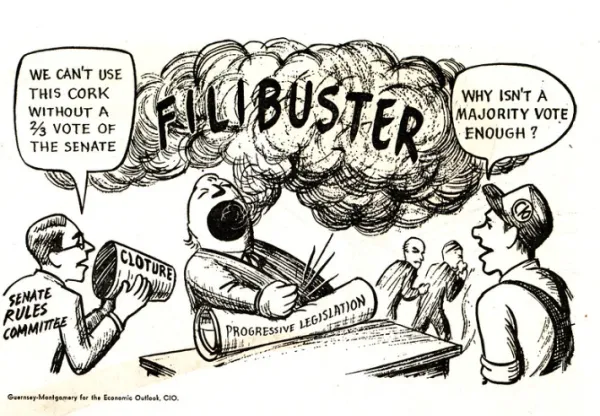
Across Ohio and throughout the nation, millions of citizens continue to march, organize, and cast their ballots with a clear demand: end systemic police misconduct, safeguard our constitutional rights, and ensure every eligible voter has free, fair, and unhindered access to the ballot box. Yet, time and again, when historic federal legislation passes the U.S. House of Representatives with momentum and the people’s mandate, it collides with a structural roadblock in the upper chamber: the United States Senate filibuster.
To understand why critical civil rights reforms stall—and how constitutional battles over retiring judges and future Supreme Court appointments truly work—we must confront the procedural mechanics of the Senate and demand accountability from those who represent us.
Legislation Stalled: The 60-Vote Supermajority Problem
Two landmark pieces of federal legislation represent the cornerstone of modern civil rights and accountability:
The George Floyd Justice in Policing Act: Designed to reform police training, increase law enforcement transparency through national registries, limit qualified immunity, and establish stricter standards on deadly force.
The John Lewis Voting Rights Advancement Act: Drafted to restore and modernize essential provisions of the Voting Rights Act of 1965, restoring federal pre-clearance to prevent discriminatory voting laws before they take effect.
Both of these vital bills have repeatedly demonstrated the strength to pass the U.S. House of Representatives. However, once they reach the Senate, they face Senate Rule XXII—the filibuster.
Under current Senate rules, passing a piece of legislation does not simply require a standard majority of 51 votes. Before a bill can even receive a final vote, the Senate must invoke "cloture" to end floor debate, which requires a 60-vote supermajority. In a deeply divided Senate, a minority faction can repeatedly prevent civil rights and voting protections from reaching the floor for a simple majority vote.
Without reforming the filibuster or establishing a civil rights exception, measures aimed at protecting Black and brown communities from police brutality and voter suppression remain hostage to procedural obstructionism.
Judicial Reality Check: Supreme Court Vacancies, Retirements, and Senate Stall Tactics
As grassroots advocates, we are frequently asked: When a Supreme Court judge retires or announces their departure, how does the Senate handle the replacement, and can the process be stalled? While the 60-vote legislative filibuster remains a brick wall for civil rights bills, the rules governing judicial confirmations are different.
In 2017, the Senate invoked the "nuclear option," lowering the threshold for Supreme Court nominees to a simple majority (51 votes). Even though a simple majority rules the final confirmation vote, the Senate minority and cautious lawmakers can still utilize powerful procedural levers to stall, delay, or complicate a presidential appointee:
Committee Drag and Vetting Timelines: The Senate Judiciary Committee can draw out questionnaire reviews, demand extensive background documentation, and hold off on scheduling critical confirmation hearings.
Floor Time Obstruction: Opponents can demand maximum allowable hours of debate on the Senate floor, dragging out the calendar and eating away at legislative priorities.
Narrow Margins and Party Discipline: When the Senate is closely divided, a handful of independent or moderate senators can derail a controversial nominee, turning every single vote into a high-stakes standoff.
The Weight of Retiring Justices: When sitting justices weigh retirement, the timing of their departure often intersects directly with the political composition of the Senate and who holds the White House, turning every vacancy into a monumental battleground over the ideological future of the bench.
The Path Forward for Ohio and the Nation
As leaders on the frontlines of police accountability and constitutional protections in Ohio, we cannot accept a system that treats civil rights and voting protections as optional while high-court confirmations move forward under expedited rules.
If our democracy is to remain equal and just under the law, federal lawmakers must prioritize the safety, dignity, and voting rights of every citizen. It is time for the Senate to dismantle procedural barriers that stall progress on accountability and protect the fundamental promise of our Constitution for all Ohioans.